Fashion Through The Decades
Fashion is a universal subject, a language understood and spoken by many. When we look back over the last 100 years, the change and influence fashion has seen has been exponential. Decade after decade, new trends have been introduced, themselves heavily influenced by pop culture, political attitudes and inspiring style icons of the time. It is a mode of expression for so many and considered a necessity by others.
WOMEN’S FASHION THROUGH THE DECADES
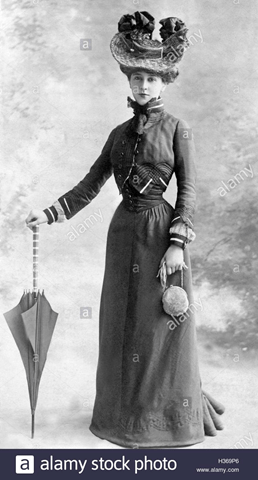
1900 :
During this decade, frilly, puffed blouses and fluted skirts continued to be popular. A slightly high waistline was fashionable, as was a long tunic-like top worn over an ankle length A-line or ‘hobble’ skirt (cinched in at the hem).
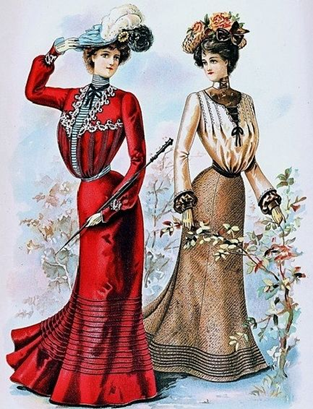
1910 :
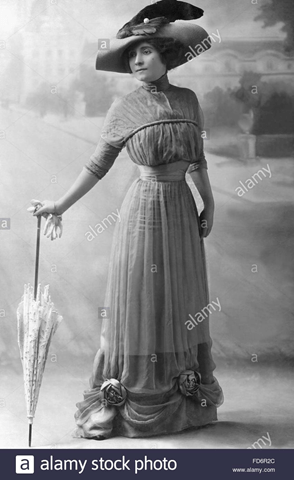
Fashion of the 1910’s was characterized by fluid, soft silhouettes, big hats, and short hair. Dress length came up from the floor to above the ankle. Often times, women wore a tunic over long skirt. Skirts were widest at the hips and became narrow at the ankle.
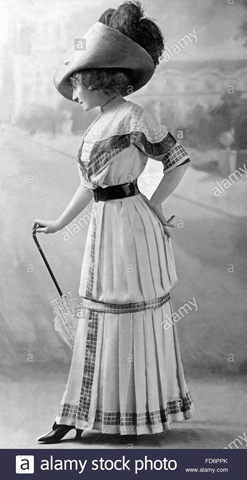
1920:
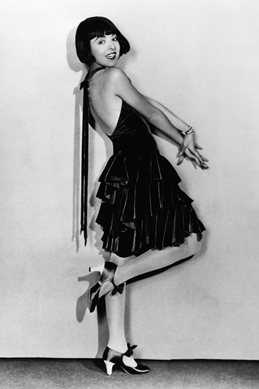
The 1920’s Fashion trends were the shorter, low-waisted dresses and revealing styles worn by the Flappers, the ‘bobbed’ hairstyles, cloche hats, the casual, haphazard fashion of a mixture of brightly colored clothes, scarves and stockings with bold, striking Art Deco geometric designs of the era.
1930:
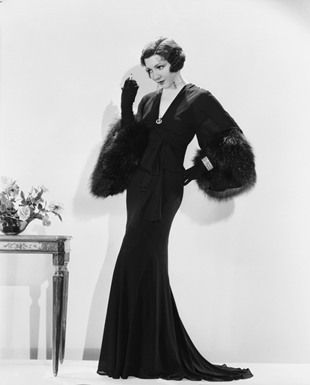
Midi length bias cut dresses, puff sleeves, belted waists and large yokes or collars.
Old Holywood evening gowns- backless, sleeveless, long bias-cut dresses.
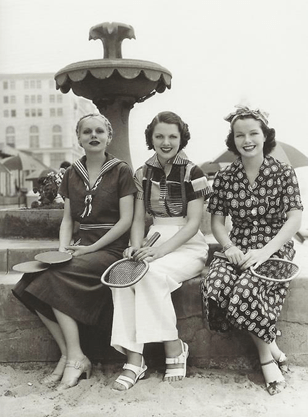
High waisted sailor pants and wide leg beach pajamas.
Casual sports clothes– skirt like shorts, striped knit shirts.
1940:
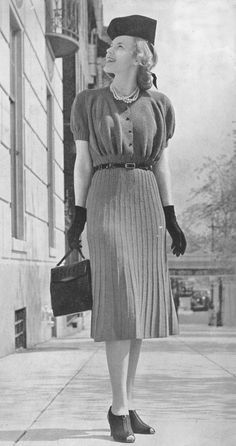
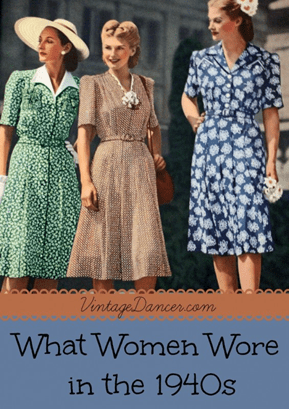
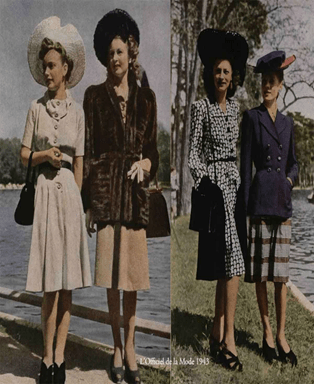
In a nutshell, 1940s women’s fashion was about creating an hourglass silhouette with masculine details: padded shoulders nipped in high waist tops, and A-line skirts that came down to the knee. This was the everyday shape for clothing, from suits to dresses. Even pants had a similar high waisted, wide leg shape.
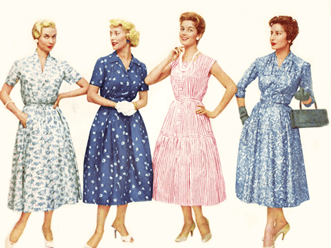
1950:
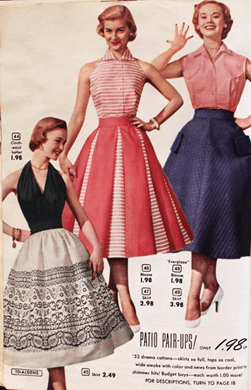
- Tea length swing dresses with petticoats for fullness.
- Slim sheath dresses and tailored suits.
- Pencil or circle skirts, poodle skirts for teens.
- Capri pants, high waisted jeans.
- Peter pan collar blouses.
- Twin set cardigan sweaters.
- Swing coats in winter.
- Kitten heels, saddle shoes, stiletto heels
1960
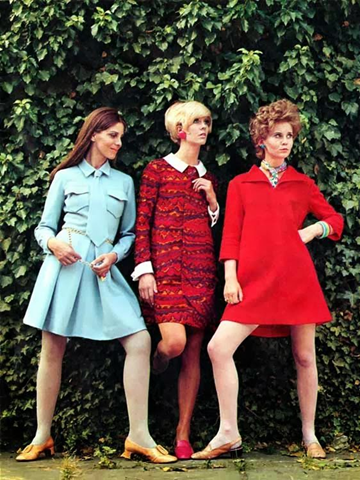
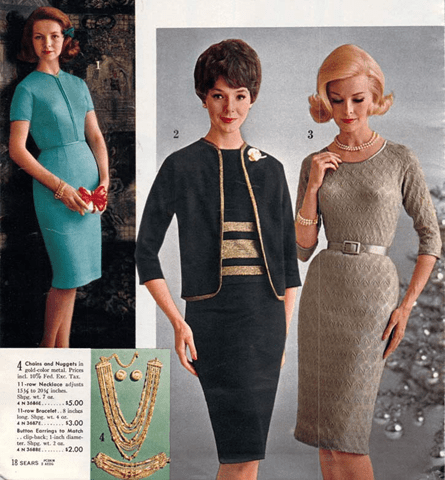
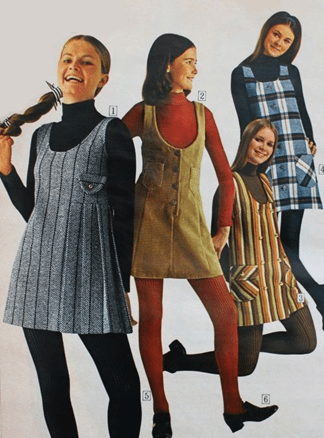
The 1960s were an age of fashion innovation for women. The early 1960s gave birth to drainpipe jeans and capri pants, which were worn by Audrey Hepburn. Casual dress became more unisex and often consisted of plaid button down shirts worn with slim blue jeans, comfortable slacks, or skirts.
1970:
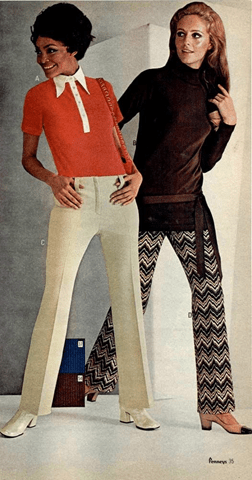
Popular early 1970s fashions for women included Tie dye shirts, Mexican ‘peasant’ blouses, folk-embroidered Hungarian blouses, ponchos, capes, and military surplus clothing. Bottom attire for women during this time included bell-bottoms, gauchos, frayed jeans, midi skirts, and ankle-length maxi dresses.
1980:
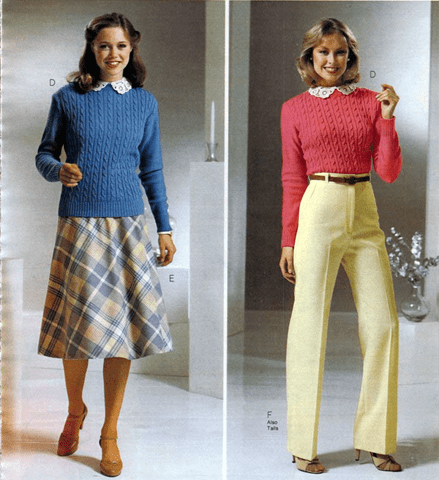
- Among women large hair-dos and puffed-up styles typified the decade. …
- The short, tight spandex mini skirts were a popular fashion item for young women in the second half of the 1980s.
- A jelly shoe.
- Young woman in 1980 wearing a low-cut spaghetti strap dress.
1990:
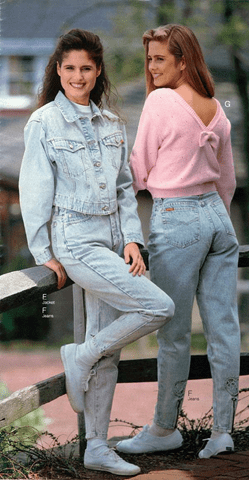
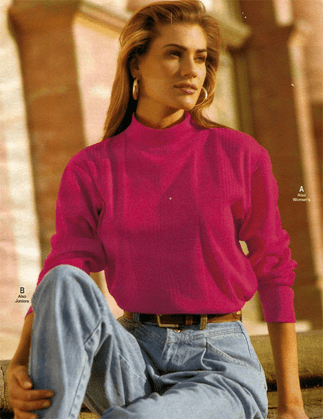
Some common items of clothing from the 1990s: black leggings with oversized sweater, low heel shoes, flannel shirts, denim everything, t-shirts, sweatpants, skirts, Birkenstocks, solid colors, silk shirts, turtlenecks (under cardigans or sweaters), plain white Keds and army surplus clothing to name a few.
2000:
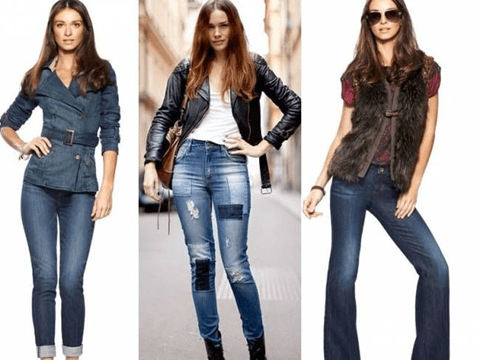
Popular mid 2000s trends for women were embroidered low-rise jeans, yoga pants, thong underwear, cowl-neck tops, tube tops, denim jackets, bell-sleeved shirts, jean shorts, crop tops, whale tails, tracksuits, cargo pants, capri pants, trenchcoats, puffy jackets, longer tank tops worn with a main blouse or shirt
2010:
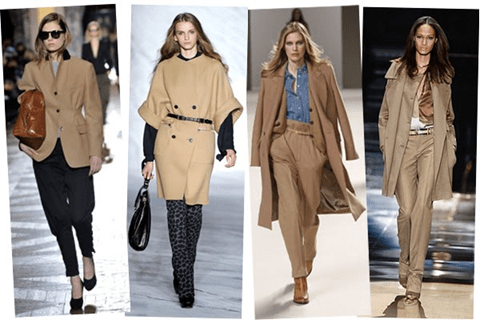
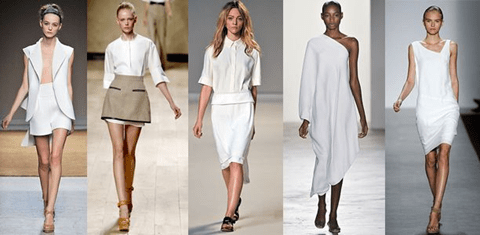
Throughout the 2010s, Preppy girls wore flip flops, ballet flats, Keds worn in ads by Mischa Barton, Ariana Grande and Taylor Swift, Sperry Top-Sider boat shoes, layered shirts and tees, cold shoulder tops, capri pants, ankle length pants, colored jeans, opaque or footless tights, tweed cloth or plaid skirts, skater.
EVOLUTION OF MEN’S FASHION THROUGH DECADES
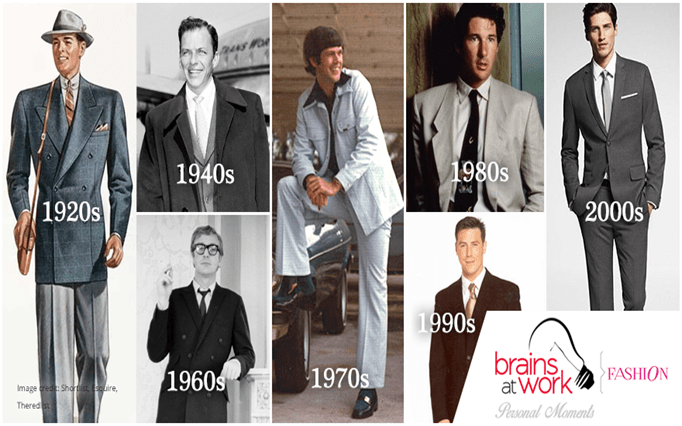
An Illustrated history of the last 75 years of men’s fashion from double breasted suits to modern formal wear.
In 1900
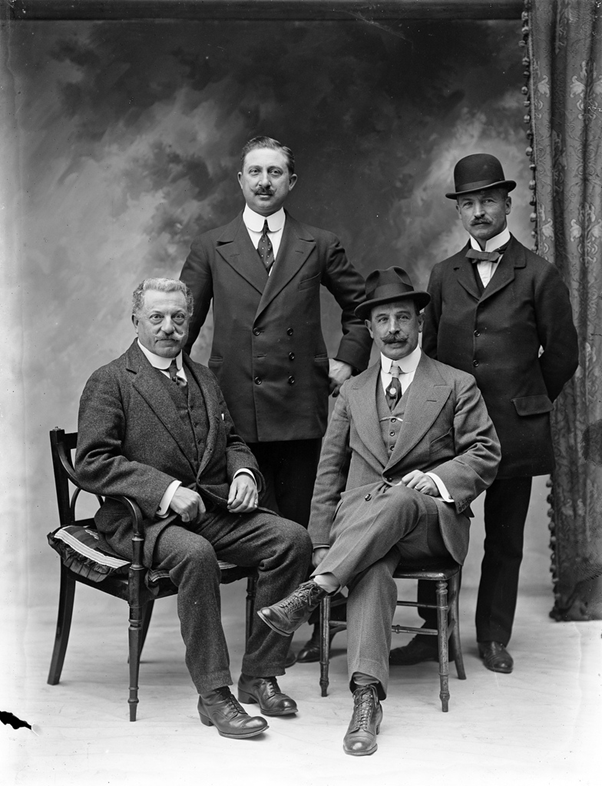
Men during 1900-1909 wearing middle class men’s suit .. casual men’s wear and the “wash and wear”clothing. Men in 1910 considered hat and stick in their hand as a trend with their lighter fabrics and simpler suits grew in popularity .
In 1920
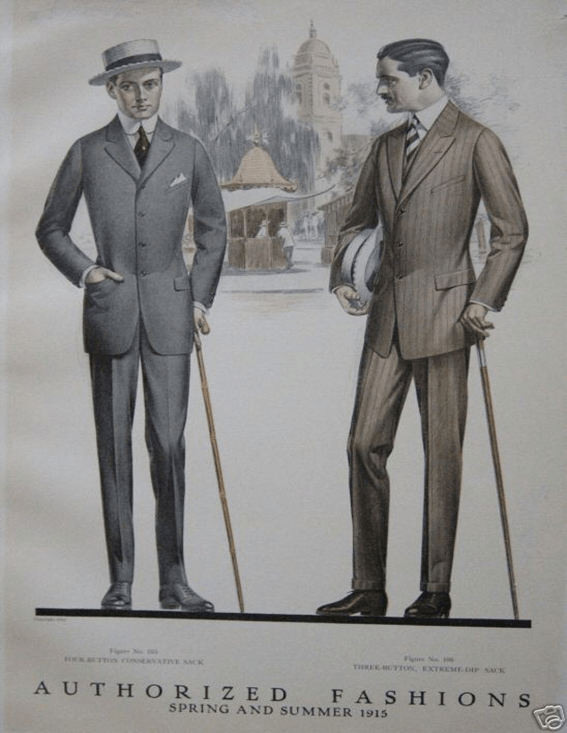
In the time of 1910 -1920 ,the trend was as same but their was change in size and shape of their accsesories as shown above.
In 1930
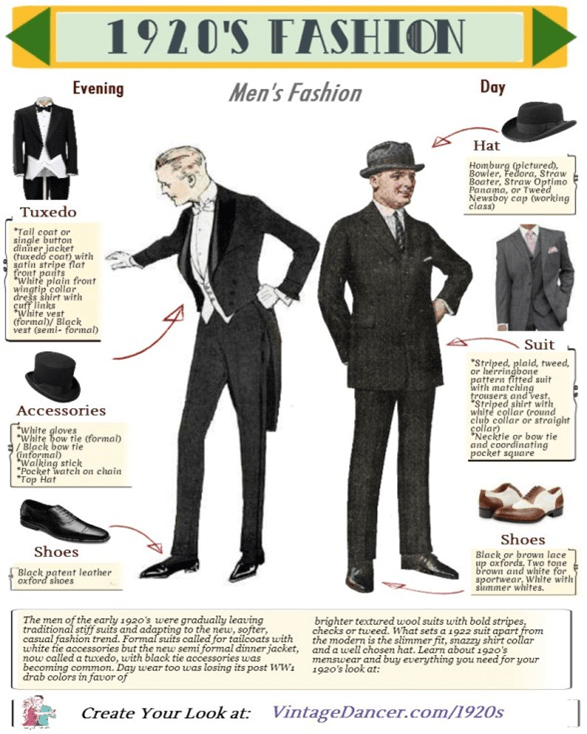
In the time of 1930 the people followed the fashion of putting palasa pants with a short tie with the shirt tucked in .the same trend that was been followed even in 1920’s hollyhood films
In 1940
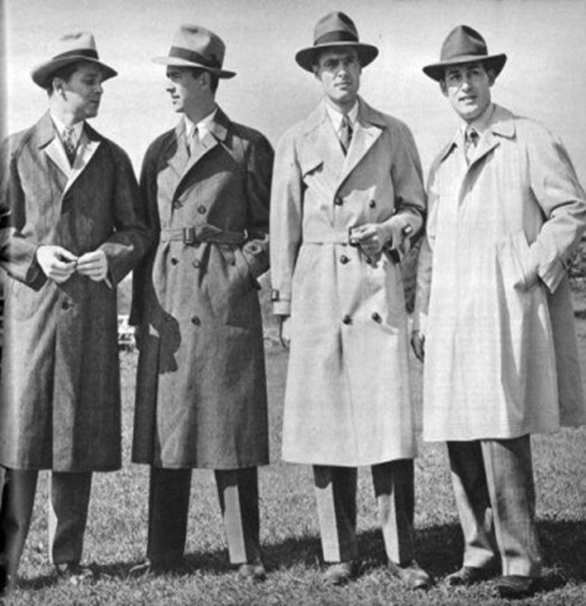
War time clothing continued to influence mens fashion desion after the war by coping or modifying uniforms ito civilian clothes .trench coats,bomber jackets ,knits etc……
In 1950
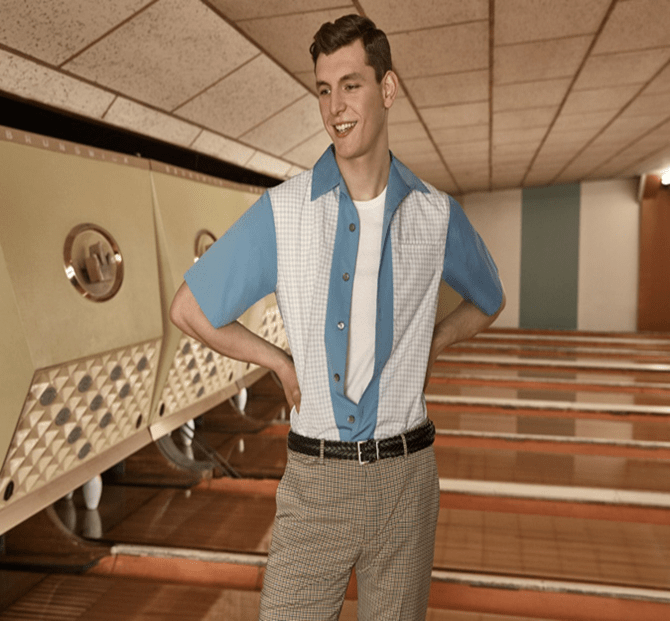
Teenage boys in 1950’s typically wore high waisted pants or jeans , with turned up cuffs,white socks,and penny lofars.t shirts, collersd shirts ‘pullover sweaters were worn
In 1960
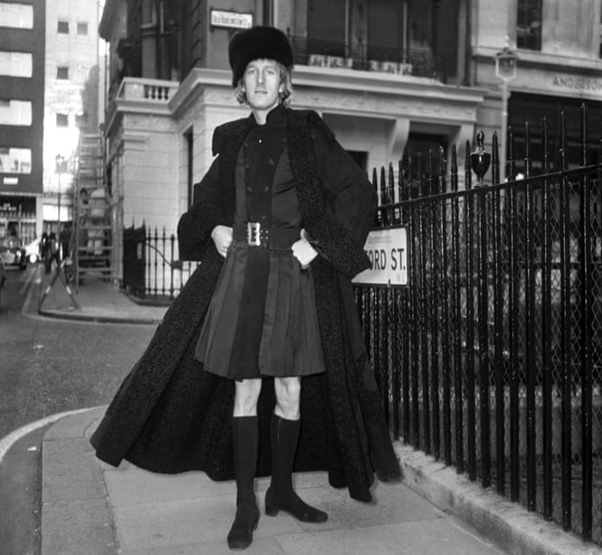
Rich britishers started wearing frock kind of suits with a long and royal jackets and a shoes with socks till their knee .
In 1970
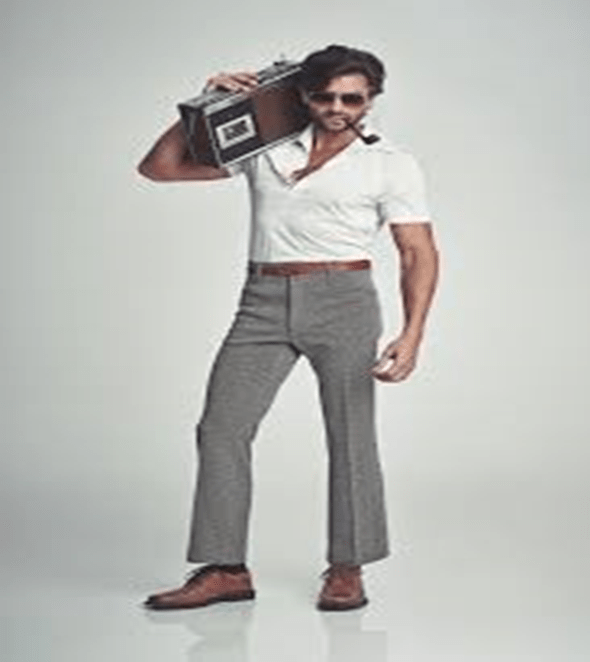
Most men increasingly wore oxword shoes and fannel with more elaborating designs .
In 1980
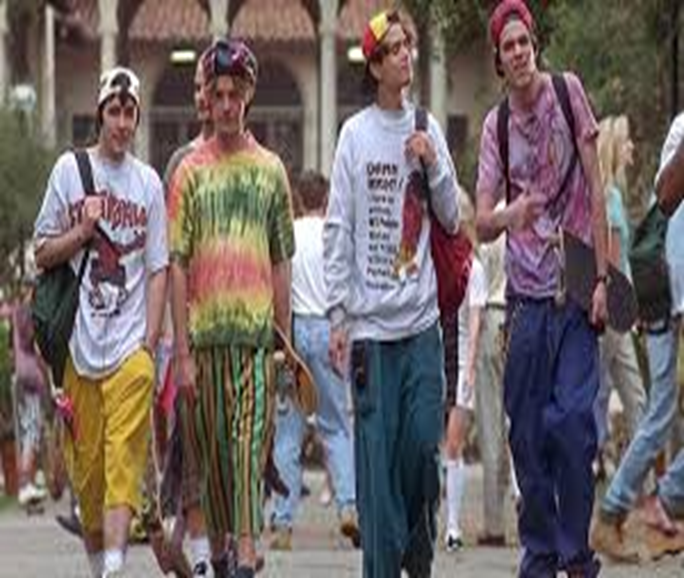
During the time of 1980 the trend in America was drastically changed to T shirt,loose pants and a bag ,and people also started colouring their hair ……
In 1990
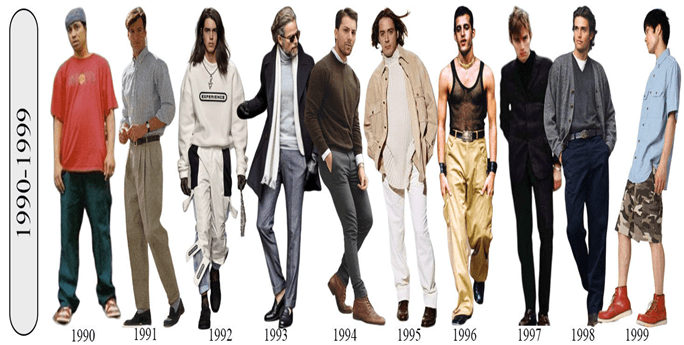
From 1990 onwards ,men wore overalls ,strait leg jeans ,plaid pants ,flat front chinos,khaki pants and camouflage pants worn ironically by anti war protestors.
In 2000
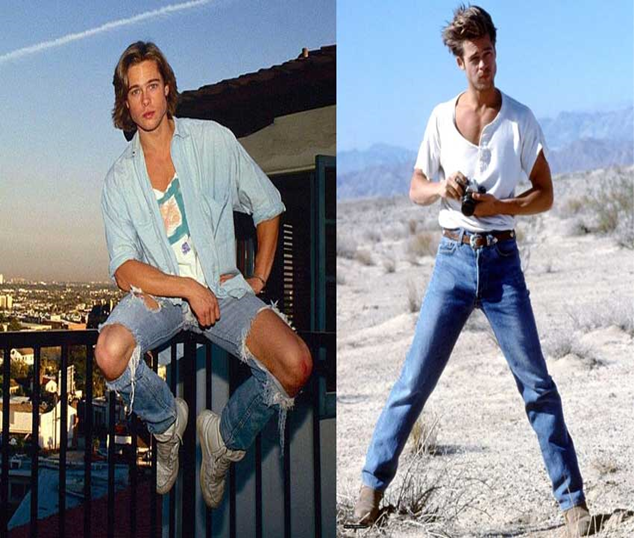
2000 fashion is often described as being a global mash up, where trends saw….. in 2004 mens fashion was inspired by movies from the 1960s ans 1980s
In 2010
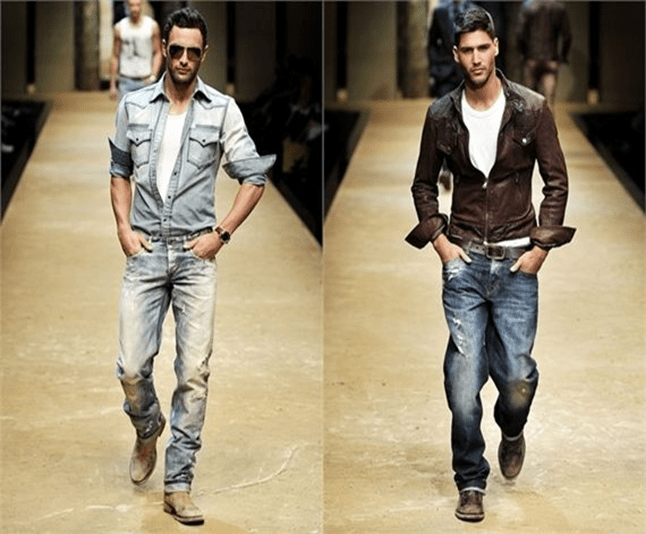
2010 has been defined by hipster fashion, athleishure ,a revival of …….. the decline in the formality of men’s fashion that started in 1960s continued until 2012
 Lush Life